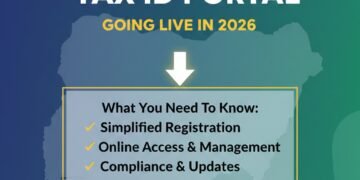

What the New Tax Reforms Actually Do (From January 2026)
- Most Nigerians will pay less or no tax, especially those in the bottom 98% income bracket.
- VAT will be removed from essential sectors like food, education, and healthcare — making basic needs cheaper.
- Small businesses (SMEs) will pay 0% corporate tax and won’t be required to register or pay VAT.
- Large companies will also enjoy reduced corporate tax rates and can claim VAT credits on costs.
- Overall: Individuals, small businesses, and big companies will all experience reduced tax burdens.
Myths and False Claims Being Circulated
- “New taxes are coming” — False. No new taxes were introduced.
- “Government will debit your bank account” — False.
- “Remittances, gifts, and online income will be taxed” — False.
- “Online earners are being targeted” — False.
- “Inflation will get worse because of the reforms” — False
Why the Misinformation Spreads
- Sensational or scary narratives tend to trend more than factual good news.
- Many Nigerians have low tax awareness, making them easy targets for misleading content.
- Misunderstanding the reforms can cause people to make poor financial decisions, like someone who didn’t buy rights issues due to wrongly believing a 30% capital gains tax applied.
Major takeway
- The 2026 tax reforms do not increase taxes — they actually reduce what most people and businesses pay.
If someone claims taxes are increasing, ask them which tax and for who.